You feel that your energy is no longer returning on its own.
I am Joyce
I'm Joyce, a mother of three and a hormone therapist. My work stems from my own struggles with PMS, mood swings, headaches, and low moods. I went from having gloomy days and compensating to understanding what my body needed.
Now I help other women to find that same peace and energy again.
Would you like to know whether your complaints may be related to your hormones?
Then start by checking in with yourself.
You don't have to choose anything yet.
No trajectory. No obligation. No judgment.
The check-in with yourself is a moment to reflect on:
How am I really doing?
Without it having to lead to anything. Without anything having to change immediately.
(free and without obligation).
Discover my offer
With LunaVital I offer two ways to support you on your way to hormonal balance and well-being:
-
Personal guidance
Click for hormone balanceYou're feeling tired more often, sleeping worse, or struggling with your weight for no apparent reason. Many women notice their bodies changing and no longer functioning as they used to. Together, we'll work to understand what's going on, and I'll work with you to translate that into practical steps that will help you regain control and balance.
-
Products
To the webshopIn my webshop, you'll find products that I've carefully researched myself. Everything you find here is hormone-safe, free from ingredients that can unnecessarily impact your hormone balance. From supplements to skincare and makeup, you can choose with peace of mind, confidence, and care for your body.
-
Vitality
Read moreDo you often find yourself feeling tired, lacking strength, or feeling different about your body? Then targeted exercise can do more than you might expect. With this in mind, I collaborate with Nova Vitalys , where training, lifestyle, and recovery are gently integrated with my hormone therapy.
Curious what this combination can do for you? Then read on.
Knowledge Center
View all-
Loveli en LunaVital, veilige verzorging zonder ...
Loveli en LunaVital, veilige verzorging zonder zorgen over hormonen bij overgangsklachten, PMS, PCOS etc. Bij LunaVital kijk ik niet alleen naar energie en slaap, maar ook naar dagelijkse routines zoals...
Loveli en LunaVital, veilige verzorging zonder ...
Loveli en LunaVital, veilige verzorging zonder zorgen over hormonen bij overgangsklachten, PMS, PCOS etc. Bij LunaVital kijk ik niet alleen naar energie en slaap, maar ook naar dagelijkse routines zoals...
-
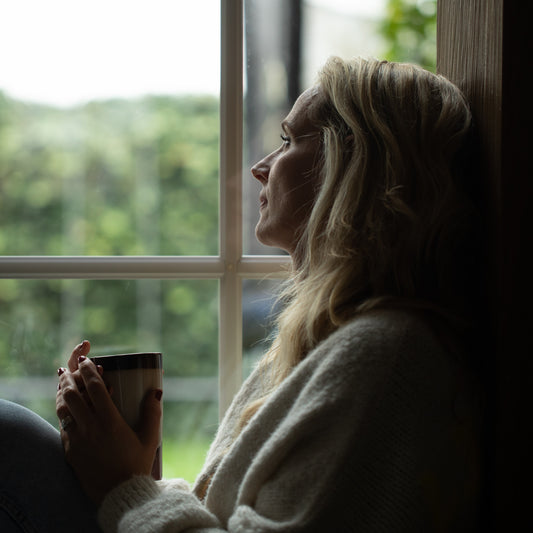
Always Tired and Irritable? Here’s What’s Reall...
Maybe you recognize it. You wake up and you are tired. Not a little bit, but really exhausted. And as if that is not enough, you are on edge the...
Always Tired and Irritable? Here’s What’s Reall...
Maybe you recognize it. You wake up and you are tired. Not a little bit, but really exhausted. And as if that is not enough, you are on edge the...
-
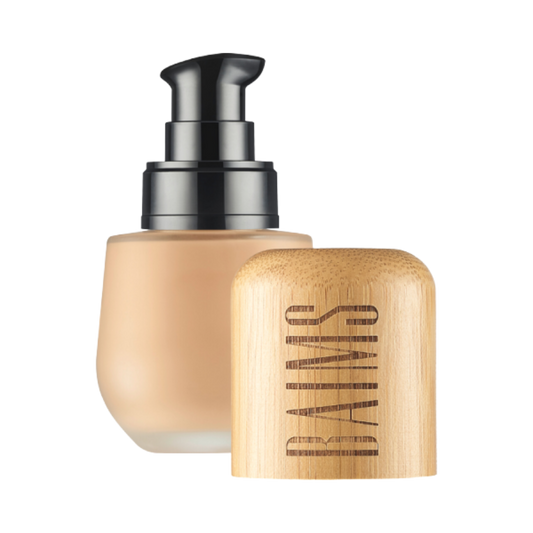
Are you still using foundation that throws your...
Pay attention to your hormone balance, also with make-up If you notice that your hormones are out of balance, or that your body is 'not cooperating' as it used to,...
Are you still using foundation that throws your...
Pay attention to your hormone balance, also with make-up If you notice that your hormones are out of balance, or that your body is 'not cooperating' as it used to,...
Frequently Asked Questions
What are the 8 most common menopausal symptoms?
Menopause is a phase in which your hormones, particularly estrogen and progesterone, fluctuate. These fluctuations can affect virtually every system in your body. The symptoms I most often see in women in premenopause and perimenopause are:
- Fatigue that is not consistent with your activities
- Mood swings or depressed feelings
- Hot flashes and night sweats
- Poor or restless sleep
- Weight gain, especially around your belly
- Brain fog and difficulty concentrating
- A short fuse or being overstimulated more quickly
- Irregular or changing periods
These are scientifically recognised symptoms of hormonal changes around menopause, as described in NAMS and EMAS guidelines.
What is a normal age for menopause?
Menopause usually begins between the ages of 40 and 55. However, the first phase, perimenopause , can start as early as around 35 without you immediately recognizing it.
The average age at which menstruation finally stops, menopause, is around 51. From the first signs of menstruation to the last menstrual period, this entire period can last 4 to 10 years.
Many women only recognize the symptoms as menopausal-related in retrospect, because at first they resemble stress or the pressures of everyday life.
How do I know which stage of menopause I'm in?
The menopause consists of several phases: premenopause, perimenopause, menopause and postmenopause.
You will mainly recognize your phase by patterns in your complaints and changes in your cycle :
- Premenopause: subtle symptoms such as fatigue, mood swings, poorer sleep, weight gain even though your cycle is still regular.
- Perimenopause: your cycle becomes more irregular, blood loss changes and symptoms become more pronounced.
- Menopause: you have not had a period for twelve months.
- Postmenopause: the phase after the menopause, in which certain symptoms may decrease.
Hormone blood tests are often unreliable at this stage, as values fluctuate significantly. Therefore, medical literature emphasizes that symptom patterns and cycle changes are the most important indicators.
What are the first symptoms of menopause?
The first signs of hormonal changes usually begin in premenopause. These symptoms are often subtle and not always immediately recognizable:
- You get tired faster
- You react more emotionally or get irritated more quickly
- You sleep less deeply
- Your weight changes while you eat the same thing
- You feel mild brain fog or forgetfulness
- Your period changes in duration, intensity or regularity
These early symptoms are caused by declining and fluctuating estrogen and progesterone levels and have been widely described in international medical guidelines.
What are the 4 stages of menopause?
The transition occurs in four scientifically recognized phases:
- Premenopause: The first hormonal changes begin, often without any noticeable cycle changes.
- Perimenopause: This is the most symptomatic phase. Your cycle becomes irregular and symptoms increase.
- Menopause: the moment when you have not had a period for 12 months.
- Postmenopause: The period after menopause; some symptoms diminish, but the hormonal decline continues to affect energy, muscles, skin, and metabolism.
This classification is used by NAMS, EMAS and the Dutch GP guidelines, among others.
What are the worst menopausal symptoms?
Every woman experiences menopause differently, but the symptoms that are most often experienced as distressing, also according to medical literature, are:
- Extreme fatigue
- Hot flashes and night sweats
- Insomnia
- Anxiety and gloom
- Weight gain that is difficult to influence
- Impact on memory and concentration
- A feeling of loss of control over your own body
It's important to know that these symptoms are normal , but not inevitable. With the right support, you can better regulate your hormones and improve your quality of life.